Start Your Project
Three ways to begin the conversation: explore project types, select your market, or request a project review.


CUSTOM SHAPES · SIZES · BRANDING
Turn your product, mascot or logo into a custom advertising inflatable. Choose the shape, size, colors and printed graphics for exhibitions, brand activations and promotional events.
Share a sketch or reference image, target size, quantity, destination and required date.
Three ways to begin the conversation: explore project types, select your market, or request a project review.
Custom inflatable products
Six families of original design references for brand campaigns. Choose a form, then review the site and artwork for the actual project.


Project Focus
A clear project direction brings campaign intent, spatial presence, and the conditions of the environment into one review.
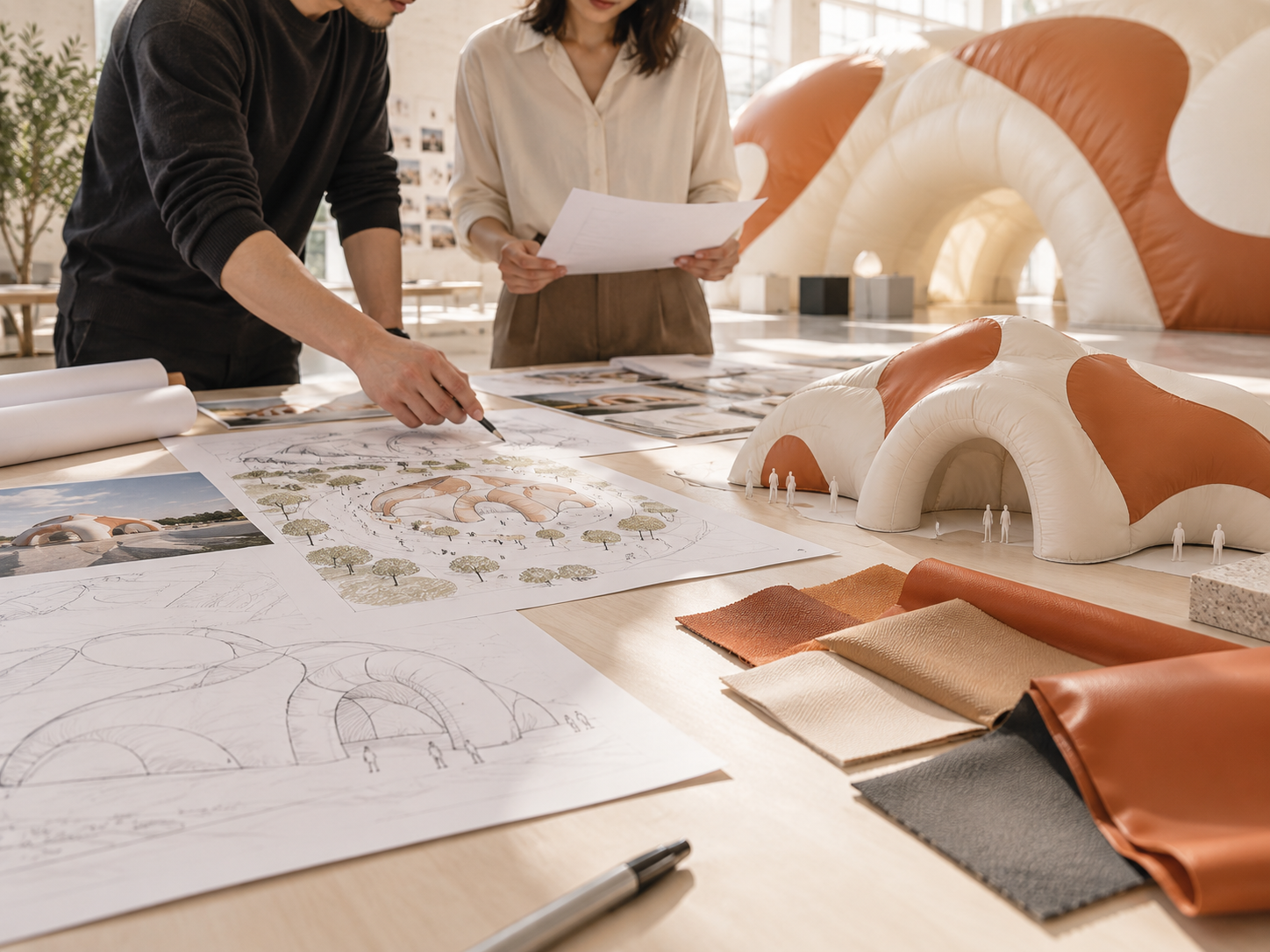
Define the role the installation needs to play in the campaign moment.
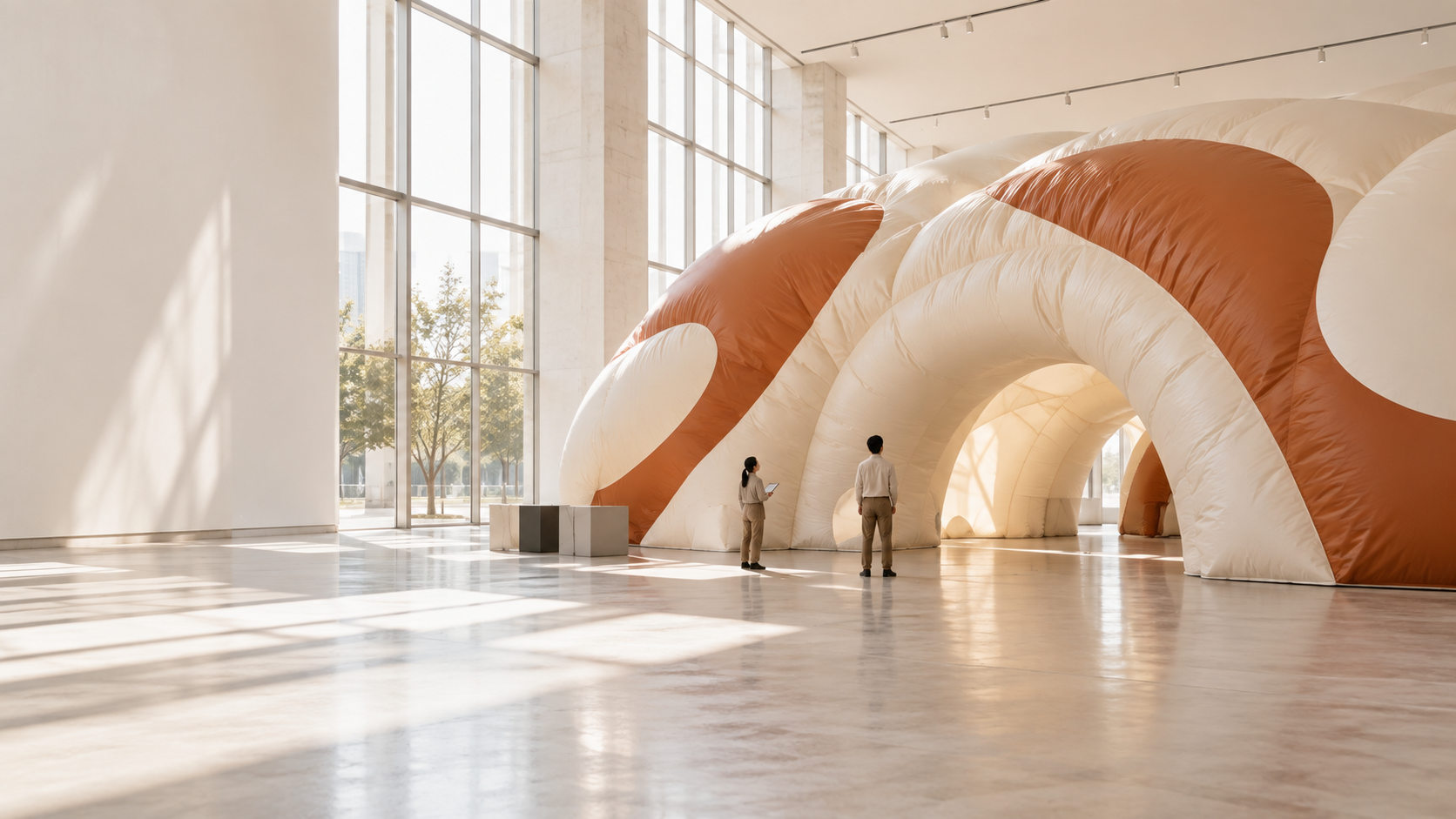
Review form, scale, movement, and visual presence in relation to the real environment.
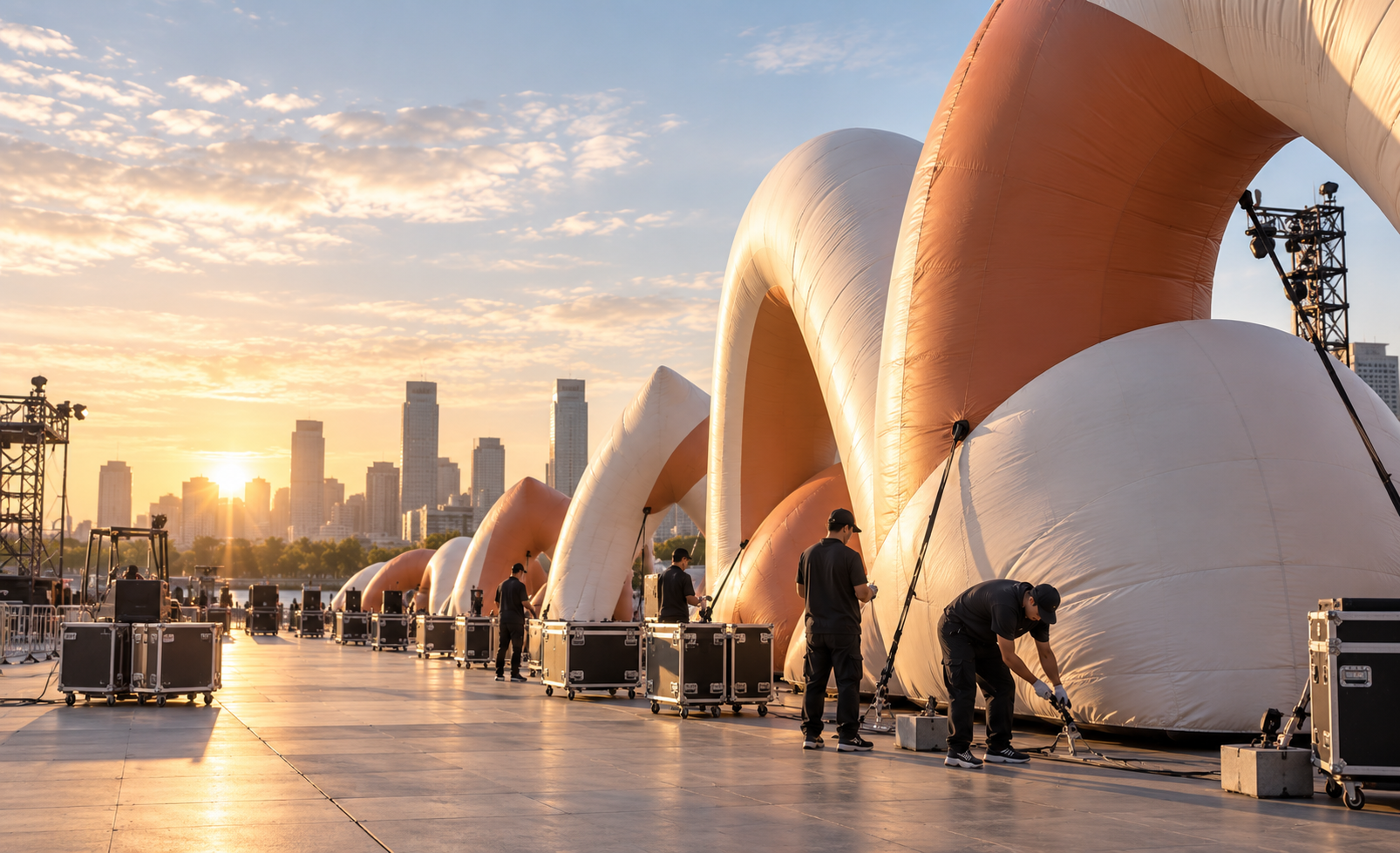
Carry creative direction into a development path shaped for the site.
What We Create
The current solution paths describe how campaign direction becomes a physical environment that audiences can approach, experience, and remember.
 Concept study visualBrand ActivationsCustom inflatables for brand activation turn campaign identity into a place to gather, photograph or explore. Plan the product, logo or character around the audience task, then align the artwork, space and operating responsibilities for the actual event.Explore solution
  Concept study visualEvent InstallationsEvent installations combine large-format inflatable form with arrival, circulation, photography, stage, or hospitality needs inside a defined venue and operating window.Explore solution
  Concept study visualLaunch Campaign EnvironmentsInflatable product replicas for product launch campaigns connect recognisable packaging with the reveal, media views and guest experience. Plan the campaign environment around the approved pack revision, the central photo moment and the practical needs of the venue.Explore solution
  Concept study visualRetail TakeoversCustom inflatables for retail promotions bring product packaging, campaign identity and photo moments into storefronts, atriums and sales areas. An inflatable display for store opening needs to read from the approach while keeping customer access and daily store operations in view.Explore solution
  Concept study visualFestival & Outdoor InstallationsFestival and outdoor installations create visible arrival, stage, sponsor, art, and wayfinding moments across open sites where weather, public access, power, and setup windows are central to the brief.Explore solution
  Concept study visualSports & Fan Engagement InstallationsFan engagement installations combine club, sponsor, mascot, or event identity with photo moments, arrival routes, hospitality zones, and public interaction before or during a sports programme.Explore solution
  Concept study visualTrade Show & Expo ExperiencesTrade show and expo installations use inflatable scale, overhead presence, product form, and branded thresholds to help a stand read across long aisles while working inside organiser and hall constraints.Explore solution
 Global Markets
A restrained entry point for agencies and brands planning large-format inflatable installations across key regions.
U.S. projects often need the installation to read across wide venues, camera angles, and fast-moving audience flow, so the review has to protect both scale and legibility.
GBUnited KingdomThe strongest direction usually comes from keeping the creative idea crisp while the venue, crowd flow, and delivery path stay visible in the same review.
CACanadaThe useful conversation is about how a form behaves in a specific venue, not simply whether it can be transported into the country.
AUAustraliaThe work needs to stay legible across outdoor conditions, crowd movement, and camera distance while the campaign direction remains editorial rather than promotional.
FRFranceThe page is written for teams that need the installation to feel considered, composed, and visually precise rather than loud for its own sake.
DEGermanyThe strongest page language is precise rather than expansive, with an emphasis on venue realities and how the work supports the event structure.
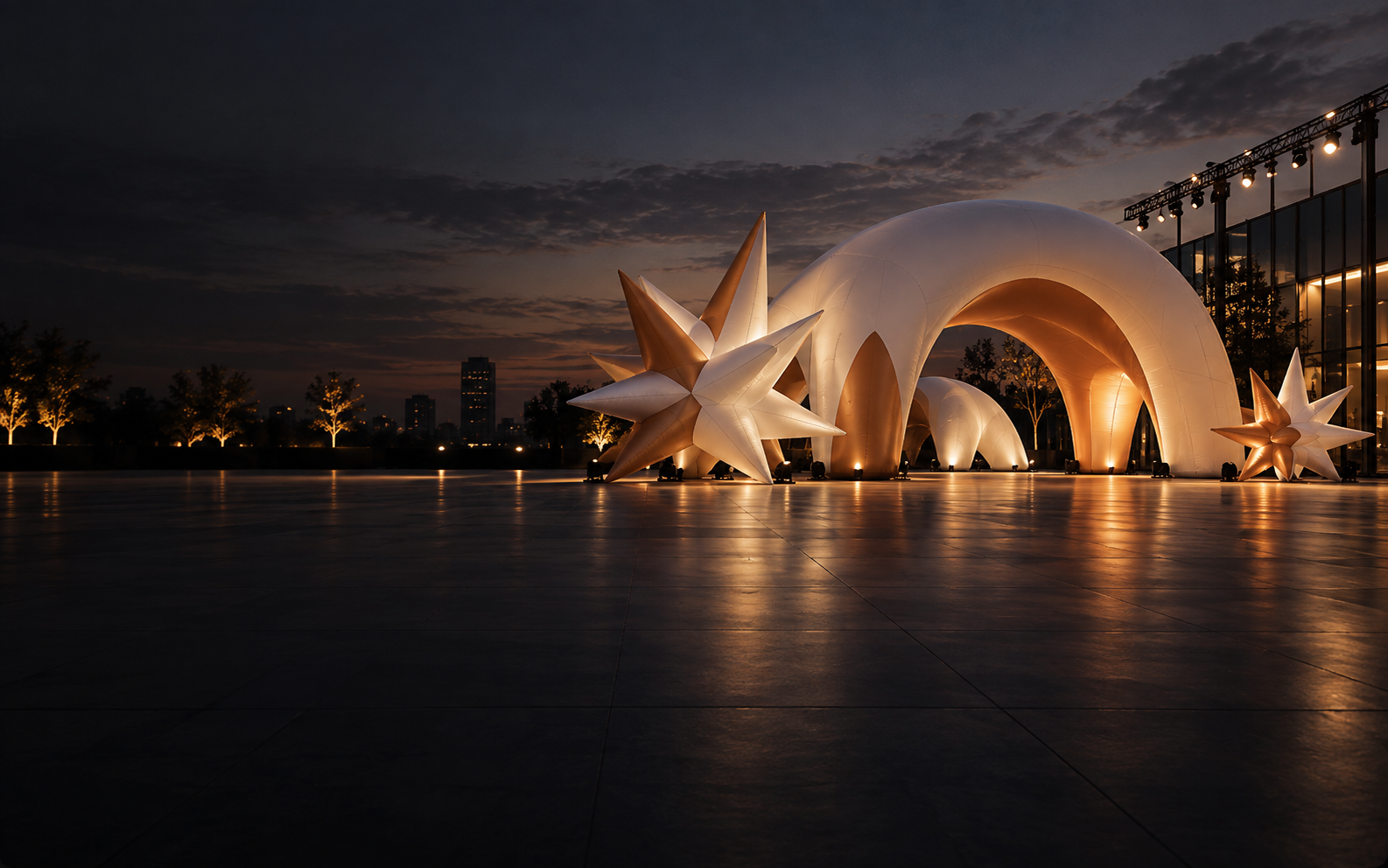
Industries We Serve
Different teams bring different creative, stakeholder, venue, and timing considerations into the project review.
Capabilities
The project direction stays connected to its creative role, its installation conditions, and the people reviewing it.
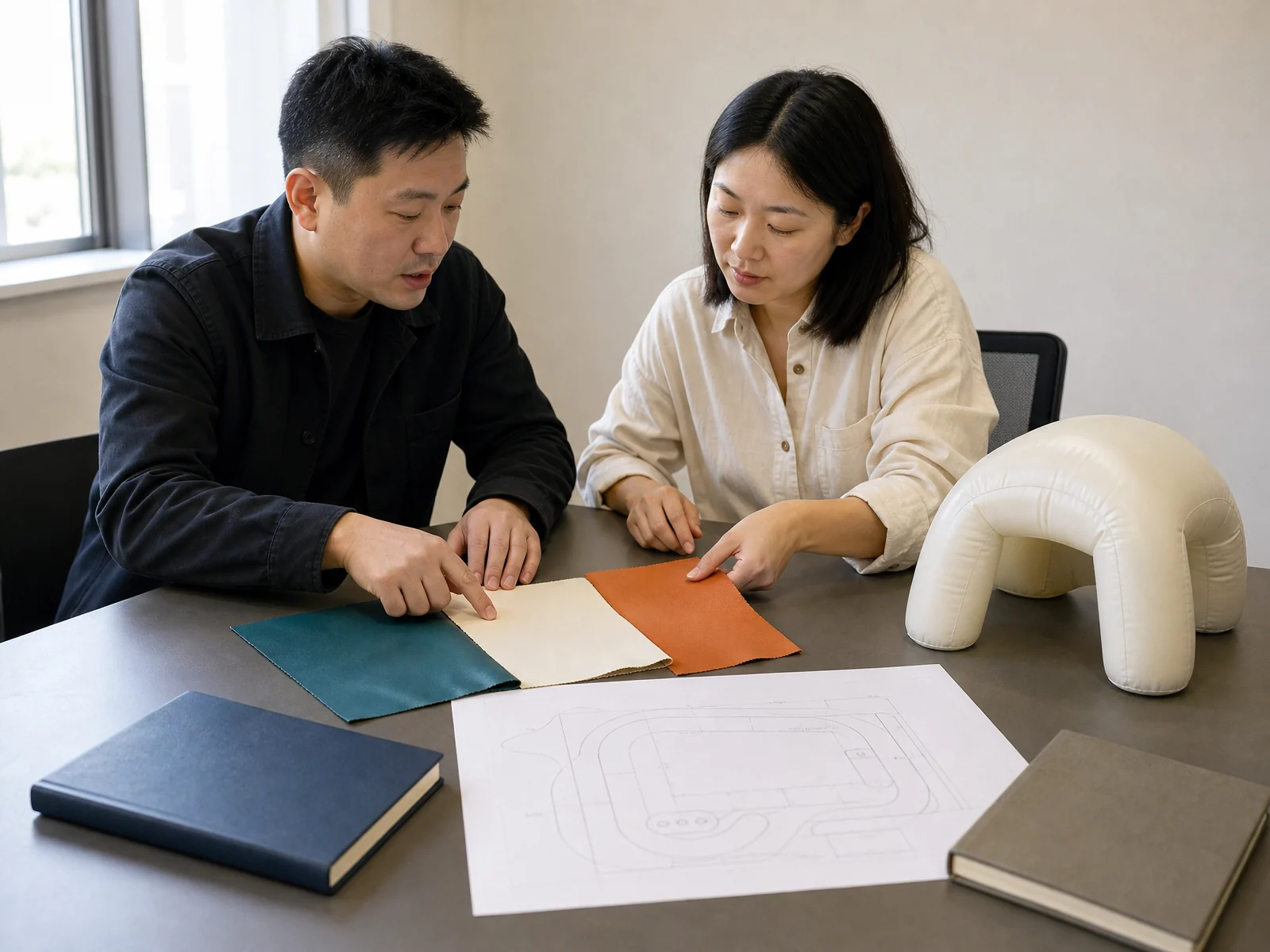
Campaign ideas, visual references, brand language, and spatial intent are brought into one clear project direction before the installation is developed further.
Scale, visitor flow, arrival moments, visibility, and placement are considered together so the installation can work as part of the wider environment.
Creative direction is developed alongside material behaviour, structural considerations, reinforcement, and the conditions the installation needs to meet on site.
The project path brings timing, destination, site access, setup sequence, and installation readiness into the review before the environment reaches its final setting.
From Idea To Installation
A clear working sequence helps creative direction stay legible as the project moves toward the site.
Bring the campaign direction, audience moment, site context, timing, and reference material into one focused starting conversation.
Translate the early idea into a workable installation direction shaped around form, scale, and the environment it needs to occupy.
Develop the visual direction alongside material behaviour, inflation logic, anchoring considerations, and the wider site context.
Align artwork, build checkpoints, quality review, packing, and readiness before the project moves toward the site.
Coordinate the setup sequence, destination context, project handoff, and the conditions needed for a considered arrival.
FAQ
A short set of answered questions is visible here so the homepage points directly to the information buyers usually need first.
Vector files with outlined type are the working standard, because printed panels are scaled to a size no raster file was made for. Supply a scalable master plus a flattened reference showing intended appearance. Raster elements can be used where unavoidable, but they must be supplied at the final printed dimension rather than scaled up from a screen-resolution original. Colour should be specified as a named system, not left to conversion.
On the flattest available area, oriented to the direction the audience will approach from. Placing a logo across a seam or across the steepest part of a curve breaks its proportions, and lettering suffers before symbols do. Decide the primary viewing angle first, then position the mark to be undistorted from that angle and acceptable from the others. Secondary faces usually carry a simplified version rather than the full lockup.
An inflated surface is a pressurised curve, not a flat plane. Printed panels are cut flat, then take their shape once the form is under pressure, so any graphic crossing that curvature stretches — most visibly near seams and at the point of greatest curvature. Distortion is predictable, so panel layout and compensation are applied before printing. Artwork supplied without a stated orientation and viewing distance cannot be compensated accurately.
Start Your Project
The project review form collects project type, size, indoor or outdoor context, event date, destination, reference upload, and attribution details.